
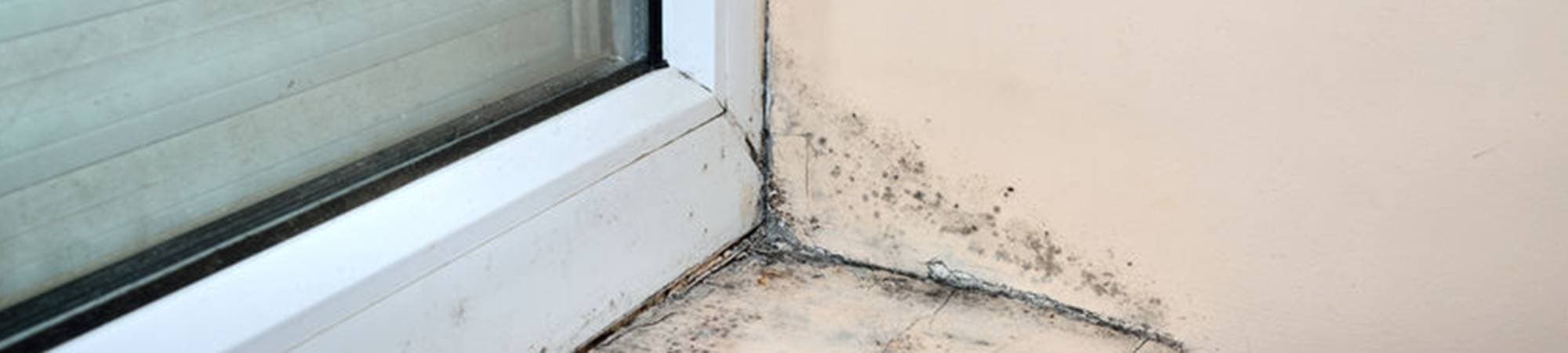
Crawl Space Mold Remediation in Lone Tree, Colorado
Brothers Restoration, Lone Tree Colorado
Lone Tree homes are large and well finished, and the crawl space under them is the one part of the house nobody has looked at since the builder left.
Call us at 720-979-2696 for a free crawl space mold inspection anywhere in Lone Tree, or use the estimate form to send us photos of your crawl space and we will call you back with a ballpark number.
Crawl Space Mold Remediation in Lone Tree, CO at a glance
Crawl space mold remediation in Lone Tree, Colorado removes mold growth from floor joists, subfloor, rim joists and piers under the home and corrects the ground moisture that caused it. Brothers Restoration, an IICRC-certified Denver-area remediation company founded in 2015, inspects Lone Tree crawl spaces free of charge, provides a flat written quote, and completes every crawl space in three days using containment, removal of contaminated insulation, sanding where needed, an advanced peroxide treatment, a sporicidal encapsulant, ULV fogging and 72 hours of HEPA air scrubbing, usually finished with a sealed vapor barrier. The work is documented with a before-and-after photo report that buyers, lenders and insurance adjusters accept.
Written and reviewed by Keith Peiker, owner of Brothers Restoration, IICRC certified in mold mitigation and an InterNACHI certified mold inspector.
- Service
- Crawl space mold remediation in Lone Tree, CO (Douglas County)
- Inspection
- Free, in person, with moisture readings and a written flat-rate quote
- Job length
- Three days: treatment on day one, then 72 hours of HEPA air scrubbing
- Method
- Containment, insulation removal, sanding (as needed), peroxide treatment, encapsulation, ULV fogging, 72-hour air scrubbing, vapor barrier and moisture-source correction
- Provider
- Brothers Restoration, owner-operated since 2015, IICRC and InterNACHI certified
- Documentation
- Before-and-after photo report; post-remediation clearance test on request
- Insurance
- Direct billing when the cause is covered
- Availability
- 24/7, scheduled to real-estate inspection deadlines
Why Lone Tree homeowners call us
Since 2015
Locally owned by brothers Keith Peiker and Luke Henderson
IICRC certified
Mold mitigation and structural drying
Free inspection
Written flat-rate quote, no air-test upsell
Direct insurance billing
We document the moisture source for your adjuster
Satisfaction guaranteed
Every job backed by our guarantee
What we find in Lone Tree crawl spaces
Heritage Hills and Carriage Club homes often have a crawl space wrapped around a partial basement, with a lot of wall and a lot of piers. RidgeGate is newer, with builder plastic and batts under the floor. Both grow mold on the joists when summer humidity meets cold ductwork.
Lone Tree sits high and dry, and the moisture under its homes is irrigation and summer humidity rather than a water table. Big lawns are watered heavily, vented crawl spaces take in monsoon-season air, and the supply ducts under the floor sweat onto the dirt. We find white growth along the joists nearest the ducts, on the subfloor and along the rim joist, usually behind wet insulation. Remediation treats and encapsulates the framing, runs the air scrubber for 72 hours and seals the soil.
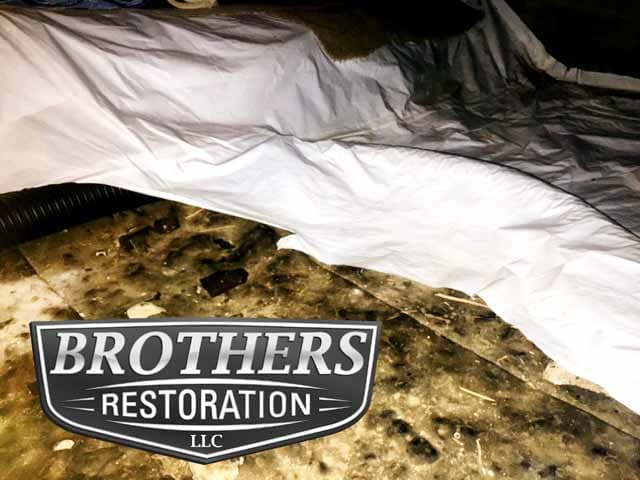
Sweating supply ducts
Cold ducts condense crawl space humidity all summer and keep the framing beside them damp.
Wet insulation around a partial basement
Batts in the crawl space wrapped around the basement stay wet and hold moisture against the subfloor.
Heavy irrigation
Large landscaped lots put a lot of water into the soil along the foundation every night.
Neighborhoods we serve in Lone Tree: Heritage Hills, Heritage Estates, RidgeGate, Carriage Club, Montecito, The Fairways, Lone Tree Golf Club.
When crawl space mold shows up on the inspection, we make it right.
Four signs you have crawl space mold
- 1
Musty smell that gets worse in summer
Warm, humid summer air moving through a vented crawl space condenses on cold joists and ductwork. The smell that follows is the first thing most homeowners notice, and it is strongest at the floor registers.
- 2
White or dark fuzz on the joists and subfloor
Crawl space mold grows on the underside of the subfloor, along the sides of floor joists and on the rim joist where the framing stays coolest. White growth is just as much of a problem as black.
- 3
Sagging or stained insulation
Fiberglass batts between the joists soak up crawl space humidity, sag out of the bays and hold moisture against the wood. Stained or drooping insulation almost always has mold behind it.
- 4
Flagged on a home inspection
Inspectors go into the crawl space with a flashlight and a camera. Mold on the framing is one of the most common inspection objections on Front Range homes, and the clock starts the day the report lands.
How we remediate a crawl space in Lone Tree
Seven steps, the same every time, because the method is what makes the guarantee possible. Sanding is skipped when the growth is light; nothing else is. Treatment happens on day one, then a HEPA air scrubber runs under the house for 72 hours, and you get a before-and-after photo report with a written description of the moisture correction.
- 1
Free inspection and written quote
We get into the crawl space with moisture meters, a humidity gauge and thermal imaging, find where the moisture is coming from, photograph the growth, and leave you with a flat written price. If mold is visible and growing we tell you to skip a pre-remediation air test and put the money into the fix.
- 2
Containment and air scrubbing
We seal the crawl space access and any HVAC openings and run HEPA air scrubbers so spores stay under the house and out of the living space while we work.
- 3
Remove what cannot be saved
Mold-soaked insulation, old torn vapor barrier, debris and any rotted wood come out and are bagged in the crawl space. Everything that can be saved, is.
- 4
Sand, treat and encapsulate the framing
Heavy growth on joists, subfloor and rim joist is sanded back to clean wood, treated with an industrial peroxide cleaner that lifts the staining out of the grain, then coated with a sporicidal, anti-fungal encapsulant that seals the wood and stops regrowth.
- 5
ULV fogging
An ultra-low-volume fogger carries Concrobium Mold Control into the joist bays and behind the piers where a sprayer cannot reach. It is eco-friendly and safe around people and pets.
- 6
72 hours of air scrubbing and dry-down
The HEPA air scrubber runs for a full 72 hours after treatment, with dehumidification when the framing needs it, pulling airborne spores and dust out of the crawl space before we call the job complete. Every crawl space is a three-day job for that reason.
- 7
Fix the moisture, document the result
Crawl space mold comes back if the ground moisture that caused it is still there, so most jobs finish with a sealed 10 mil or 20 mil vapor barrier and any plumbing or drainage correction the inspection found. You get a before-and-after photo report your buyer, lender or adjuster asks for.
Buying or selling in Lone Tree
Crawl space mold on the inspection report, closing date on the calendar
Lone Tree buyers expect an immaculate house for the price, and an inspector's photo of mold on the floor joists is a hard conversation. We give both sides a fixed number fast, finish the three-day remediation inside the inspection window and provide the photo report so the transaction keeps moving.
- Written quote the same day as the inspection
- Scheduled to your resolution deadline
- Photo report accepted by buyers and lenders
- Post-remediation clearance test when required
Tell us the date you are working toward. We will tell you whether we can hit it before you hang up. Agents welcome.
Lone Tree crawl space mold questions
Anything we have not answered, call and ask. You will get a straight answer from someone who has been in the crawl space.
Can you contain the crawl space without affecting the finished basement?
Yes. Containment seals the crawl space access and vents, the air scrubber keeps pressure in the crawl space, and the finished basement is untouched.
How long is the air scrubber running?
A full 72 hours after treatment, which is why every crawl space is a three-day job. It pulls spores and dust out of the air before we call the job complete.
Do you also line the crawl space?
Almost always, on the same flat estimate. The mold came from ground moisture and a sealed liner is what stops it coming back.
Does crawl space mold require an air test first?
Not when the mold is visible and growing on the framing. A pre-remediation air test confirms what the photographs already show. We recommend putting that money toward the remediation and, if a buyer or lender requires it, doing a post-remediation clearance test instead.
How long does crawl space mold remediation take?
Three days. Insulation removal, sanding, peroxide treatment, encapsulation and fogging are done on the first day, then the HEPA air scrubber runs for 72 hours before we call the job complete. A large footprint or heavy sanding can add treatment time, and a vapor barrier is usually installed during the same visit.
Do I have to replace the insulation?
Mold-affected fiberglass cannot be cleaned and comes out. Whether it goes back depends on the crawl space: once the floor is sealed with a vapor barrier, many Front Range crawl spaces are better off without batts hanging in the joist bays, and we tell you which situation you are in at the inspection.
Will my homeowners insurance cover crawl space mold?
It depends on the cause. Mold from a sudden event such as a burst pipe or a sewer backup is often covered; mold from years of ground moisture or a vented crawl space usually is not. We photograph and document the moisture source so your adjuster has what they need, and we bill carriers directly when a claim is approved.
Will it come back?
Not if the moisture source is fixed. The encapsulant seals the wood and resists regrowth, the vapor barrier stops the ground moisture that started it, and we will not sign off on a job that leaves the original cause in place.
Owner-operated since 2015
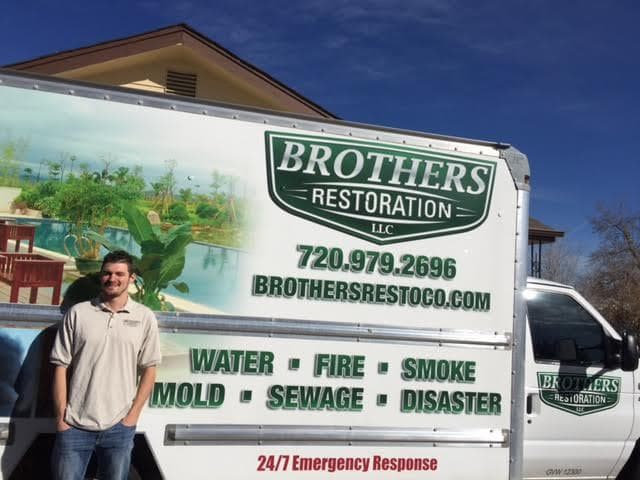
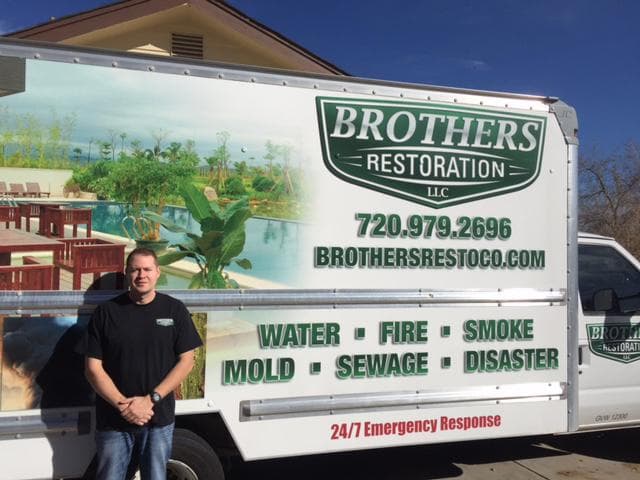
Brothers Restoration is owned and run by brothers Keith Peiker and Luke Henderson. Keith is IICRC certified in water damage, structural drying and mold mitigation and an InterNACHI certified mold inspector. The person who inspects your home is the person responsible for the result, and the result is guaranteed.

IICRC Certified
Water damage, structural drying and mold mitigation
InterNACHI Certified Mold Inspector
IAC2 mold inspection certification
Crawl space mold remediation near Lone Tree
Nearby: Denver, Highlands Ranch, Castle Pines, Parker, Centennial.
Also serving: Cherry Hills Village, Greenwood Village, Castle Rock, Littleton, Boulder, Louisville, Superior, Erie, Broomfield, Golden, Evergreen.
Also in Lone Tree: Attic Mold Remediation, Crawl Space Vapor Barriers, Mold Remediation.
See also crawl space vapor barriers, mold removal and mold testing.
Free crawl space mold inspection in Lone Tree
We find the cause, photograph it, and leave you a flat written price.
Call 720-979-2696