
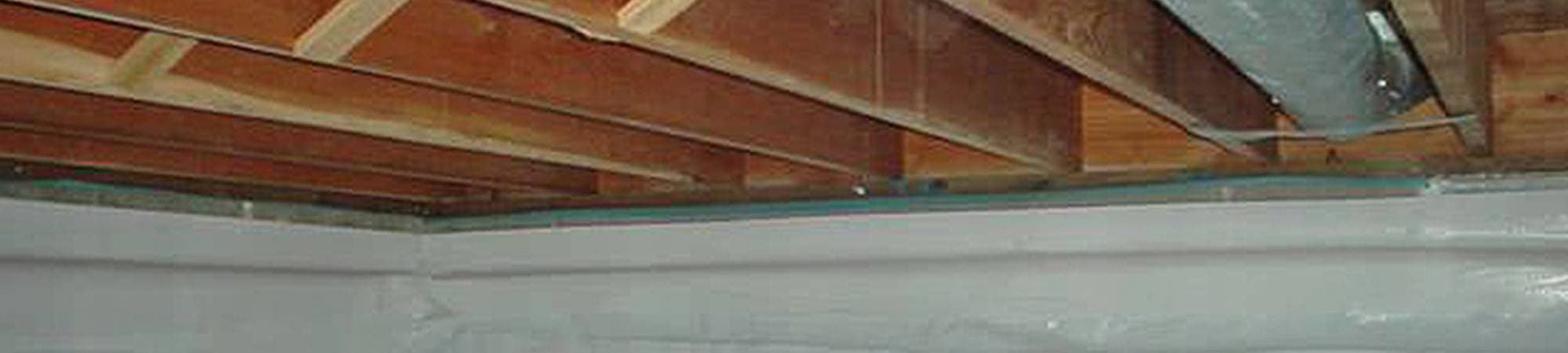
Crawl Space Vapor Barriers in Greenwood Village, Colorado
Brothers Restoration, Greenwood Village Colorado
Greenwood Village was built out in the 1970s and 80s, and the crawl spaces under those homes have outlived whatever thin plastic the builder dropped on the dirt.
Call us at 720-979-2696 for a free crawl space inspection anywhere in Greenwood Village, or use the estimate form to send us photos of your crawl space and we will call you back with a ballpark number.
Crawl Space Vapor Barriers in Greenwood Village, CO at a glance
A crawl space vapor barrier in Greenwood Village, Colorado is a heavy polyethylene liner sealed over the dirt floor of the crawl space to stop ground moisture from rising into the framing, insulation and living space above. Brothers Restoration, an IICRC-certified Denver-area restoration company founded in 2015, inspects Greenwood Village crawl spaces free of charge, takes laser measurements for an exact fit, and installs either a 10 mil black liner or a reinforced 20 mil SilverBack liner, sealed to the foundation with seam tape and sealant. Most installations take one to two days and every job carries a transferable warranty.
Written and reviewed by Keith Peiker, owner of Brothers Restoration, IICRC certified in mold mitigation and an InterNACHI certified mold inspector.
- Service
- Crawl space vapor barrier installation in Greenwood Village, CO (Arapahoe County)
- Inspection
- Free, in person, with laser measurements and a written flat-rate quote
- Job length
- Most crawl spaces lined in one to two days
- Liner options
- 10 mil black polyethylene (economical, light storage) or 20 mil SilverBack reinforced liner (heavy storage, lifetime use)
- Installation
- Debris cleared, seams overlapped and taped, edges sealed to the foundation, 20 mil fastened to the walls
- Provider
- Brothers Restoration, owner-operated since 2015, IICRC certified
- Warranty
- Transferable warranty on every installation; before-and-after photo report
- Availability
- Scheduled to real-estate inspection deadlines
Why Greenwood Village homeowners call us
Since 2015
Locally owned by brothers Keith Peiker and Luke Henderson
IICRC certified
Mold mitigation and structural drying
Free inspection
Written flat-rate quote, no air-test upsell
Direct insurance billing
We document the moisture source for your adjuster
Satisfaction guaranteed
Every job backed by our guarantee
What we find in Greenwood Village crawl spaces
Much of the housing west of I-25 sits on large lots with crawl spaces under all or part of the home, and a lot of it has been remodeled at least once. A remodel means new plumbing, new ductwork and a crawl space that gets crawled through for weeks, and the liner is usually the casualty.
Goldsmith Gulch and the smaller drainages feeding Cherry Creek run through Greenwood Village, and the lots near them have a seasonal water table that rises with spring runoff and summer irrigation. Vented crawl spaces here pull humid summer air across cold supply ducts and sweat. A sealed liner cuts the ground moisture that drives that cycle, which is why we recommend lining the crawl space before any ductwork or insulation work is done.
Sprinkler systems that have grown over forty years
Zones added for new beds and trees end up watering the foundation. The crawl space soil on that side of the house never dries out.
Remodel traffic
Kitchen and bath remodels send trades under the house for weeks. Every trip tears or shifts the liner, and nobody puts it back.
Ductwork sweating in summer
Cold air in uninsulated ducts condenses crawl space humidity onto the metal, drips onto the dirt and keeps the cycle going.
Neighborhoods we serve in Greenwood Village: The Preserve, Greenwood Hills, Orchard Hills, Sundance Hills, Cherry Creek Vista, Greenwood Village Estates, Belleview Farms.
When the crawl space fails the inspection, we make it right.
Four signs your crawl space needs a vapor barrier
- 1
A musty smell on the first floor
Crawl space air rises into the living space. If the house smells damp near the floor registers or in closets along exterior walls, the dirt under the house is breathing into the home.
- 2
Bare dirt, or a torn and buried liner
Exposed soil gives off moisture all year. A thin liner that has been shoved aside by a plumber, buried under debris or split at the seams is doing almost nothing.
- 3
Condensation and rusty ductwork
Water beads on cold pipes and duct runs in summer, and frost on them in winter, mean the humidity down there is far above what the framing above can tolerate.
- 4
Flagged on a home inspection
Inspectors photograph the crawl space on every sale. A missing or failed vapor barrier is one of the most common items on a Front Range inspection report.
How we install a vapor barrier in Greenwood Village
Six steps, the same on every job. The liner is only as good as the prep underneath it and the sealing at the edges, so neither is rushed. Most crawl spaces are finished in one to two days, and you get before-and-after photos and a transferable warranty.
- 1
Free inspection and laser measurement
We get into the crawl space, check the soil, the piers and the framing above for moisture and staining, trace any plumbing or drainage problem, and take laser measurements so the liner fits the space exactly. You get a flat written quote before we leave.
- 2
Clear and prep the crawl space
Construction debris, old torn plastic, fallen insulation and anything a liner cannot lie flat over comes out first. Standing water or saturated soil is dried before a new barrier goes down, never sealed over.
- 3
Choose the liner
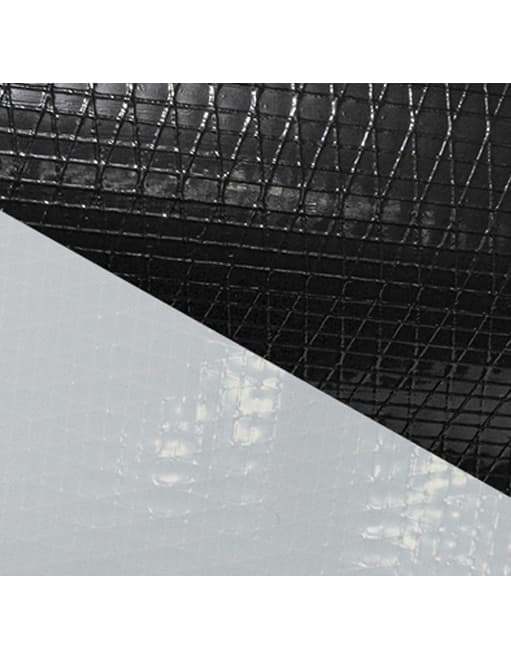
Our 10 mil black polyethylene is the economical option and handles light storage and foot traffic. The 20 mil SilverBack is a polyester-reinforced, white-topped liner built for heavy storage and a lifetime of use; it will not tear or delaminate and the back layer naturally resists mold growth.
- 4
Install, overlap and seal
The liner is laid across the full floor, wrapped around piers and run up the foundation walls. Seams are overlapped and sealed with seam tape, the edges are sealed to the foundation, and the 20 mil material is fastened to the walls so its weight never pulls it down.
- 5
Correct the moisture source
A liner controls ground moisture. It does not fix a leaking hose bib, a disconnected downspout or a dryer vent ending under the house, so we point those out and fix or specify them before we call the job done.
- 6
Photo report and transferable warranty
You get before-and-after photos of the finished crawl space and a transferable warranty on the installation, which is exactly what the next home inspector and the next buyer want to see.
Buying or selling in Greenwood Village
Crawl space on the inspection report, closing date on the calendar
Greenwood Village buyers at this price point expect mechanical systems and the crawl space to be in order, and inspectors photograph both. A new liner with a transferable warranty is one of the cheapest line items that takes a crawl space off the objection list entirely, and we install it inside the inspection window.
- Written quote the same day as the inspection
- Installed inside the inspection window
- Transferable warranty for the buyer
- Photo report accepted by buyers and lenders
Tell us the date you are working toward. We will tell you whether we can hit it before you hang up. Agents welcome.
Greenwood Village crawl space vapor barrier questions
Anything we have not answered, call and ask. You will get a straight answer from someone who has been in the crawl space.
Should the ducts be insulated before or after the liner goes in?
After. Lining the crawl space first lowers the humidity that was causing the ducts to sweat. Then any duct insulation stays dry and does its job.
Our crawl space has a sump pit. Do you line around it?
Yes. The liner is cut and sealed around the pit so the pump still collects water, and the rest of the floor is sealed.
How much of the foundation wall does the liner cover?
The liner runs up the wall and is sealed to it. On the 20 mil installation it is fastened there as well, so its weight never pulls it off the wall.
What is the difference between the 10 mil and the 20 mil vapor barrier?
The 10 mil is a heavy black polyethylene liner, sealed to the foundation with sealant and seam tape, and it is the economical way to stop ground moisture. The 20 mil SilverBack is a reinforced, multi-layer liner with a glossy white top that reflects light and a mold-resistant silver back. It is fastened to the crawl space walls, handles heavy storage and foot traffic, and is built to last the life of the home.
How long does a vapor barrier installation take?
Most crawl spaces are measured, prepped and lined in one to two days. A very large footprint, heavy debris removal or a crawl space that needs to be dried out first can add time, and we tell you that at the inspection.
Will a vapor barrier stop water from coming into the crawl space?
No. A vapor barrier stops moisture rising from the soil as vapor. Liquid water from a plumbing leak, a failed sump or grading that drains toward the house still needs its own fix, and we identify that during the inspection rather than sealing over it.
Does a vapor barrier help with radon?
A sealed liner is not a radon mitigation system on its own. Colorado is a high-radon state, and if you have a mitigation system or plan one, a properly sealed crawl space floor is the surface that system is designed to work with. We are happy to coordinate with your radon contractor.
Do I need to leave the house?
No. The work happens in the crawl space and the materials are inert plastic, sealant and tape. You will hear us moving around under the floor for a day or two.
Owner-operated since 2015
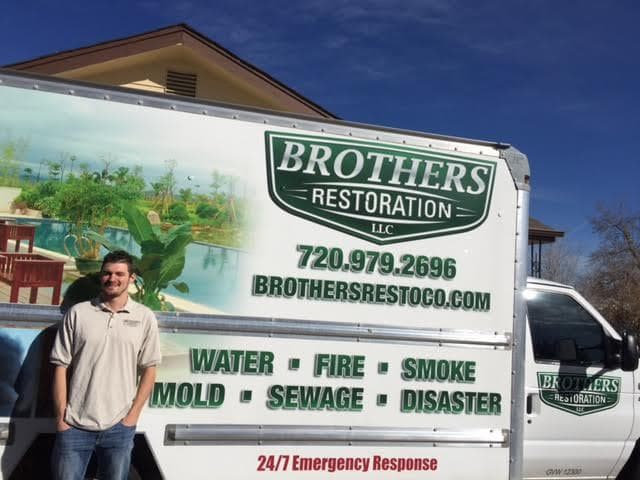
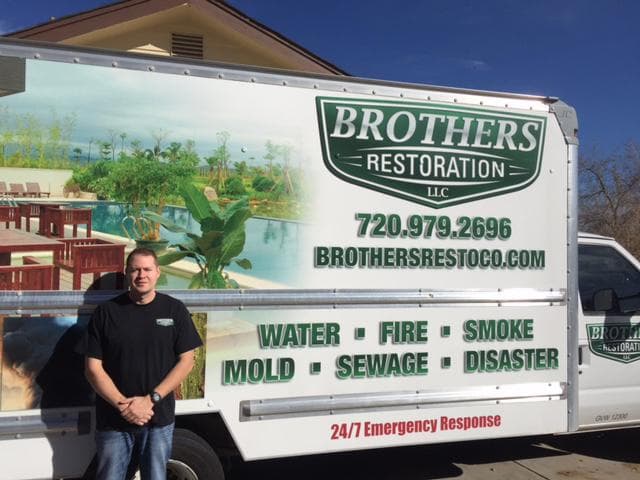
Brothers Restoration is owned and run by brothers Keith Peiker and Luke Henderson. Keith is IICRC certified in water damage, structural drying and mold mitigation and an InterNACHI certified mold inspector. The person who inspects your home is the person responsible for the result, and the result is guaranteed.

IICRC Certified
Water damage, structural drying and mold mitigation
InterNACHI Certified Mold Inspector
IAC2 mold inspection certification
Crawl space vapor barriers near Greenwood Village
Nearby: Denver, Cherry Hills Village, Centennial, Lone Tree, Highlands Ranch.
Also serving: Castle Pines, Castle Rock, Parker, Littleton, Boulder, Louisville, Superior, Erie, Broomfield, Golden, Evergreen.
Also in Greenwood Village: Attic Mold Remediation, Mold Remediation, Crawl Space Mold Remediation.
See also crawl space mold remediation, water damage restoration and mold removal.
Free crawl space inspection in Greenwood Village
We measure it, show you what is under the house, and leave you a flat written price. Do not accept a competitor bid without calling us first.
Call 720-979-2696